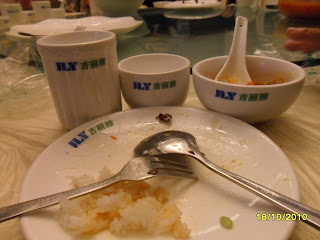
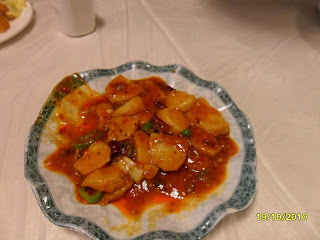
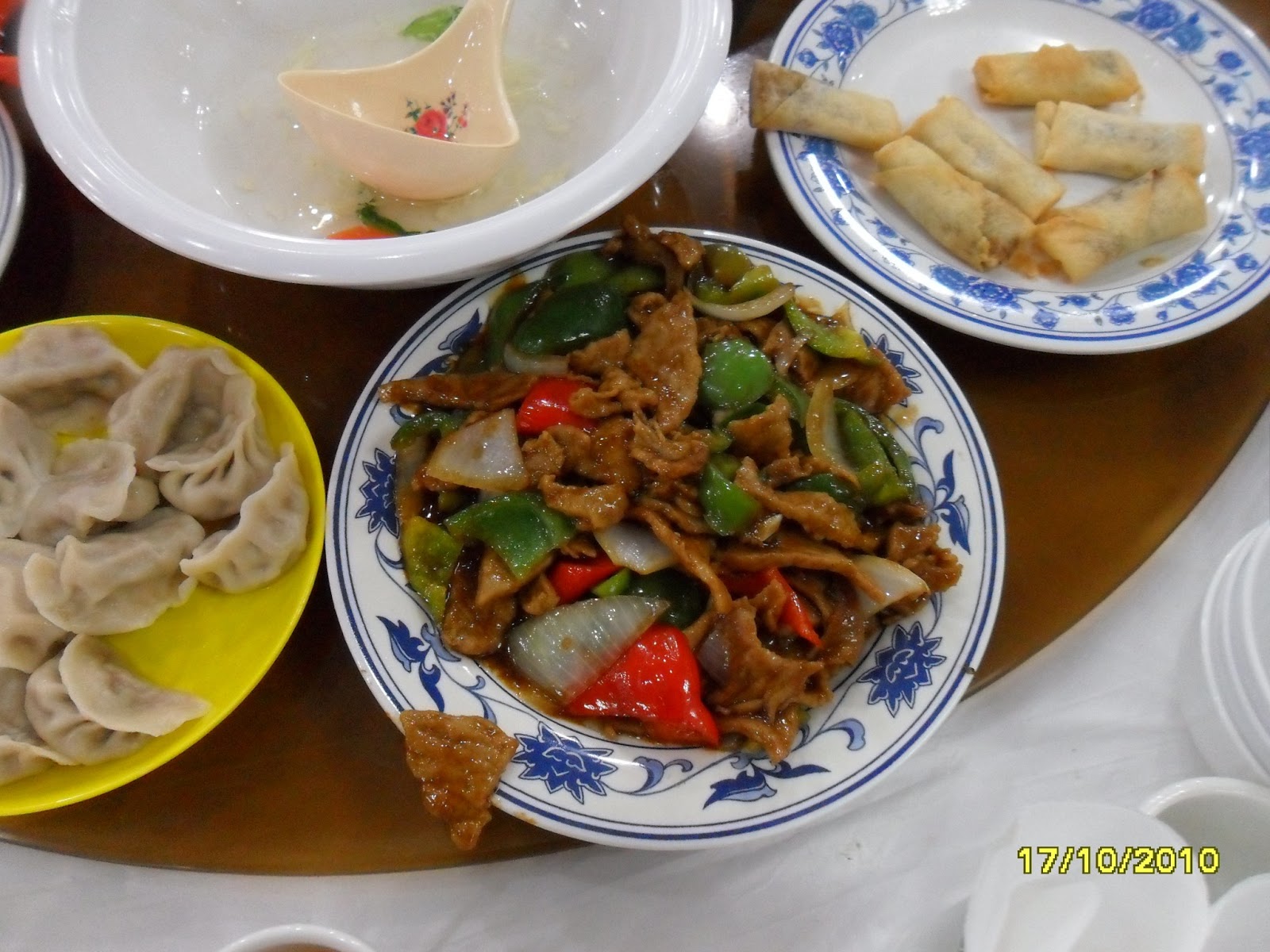
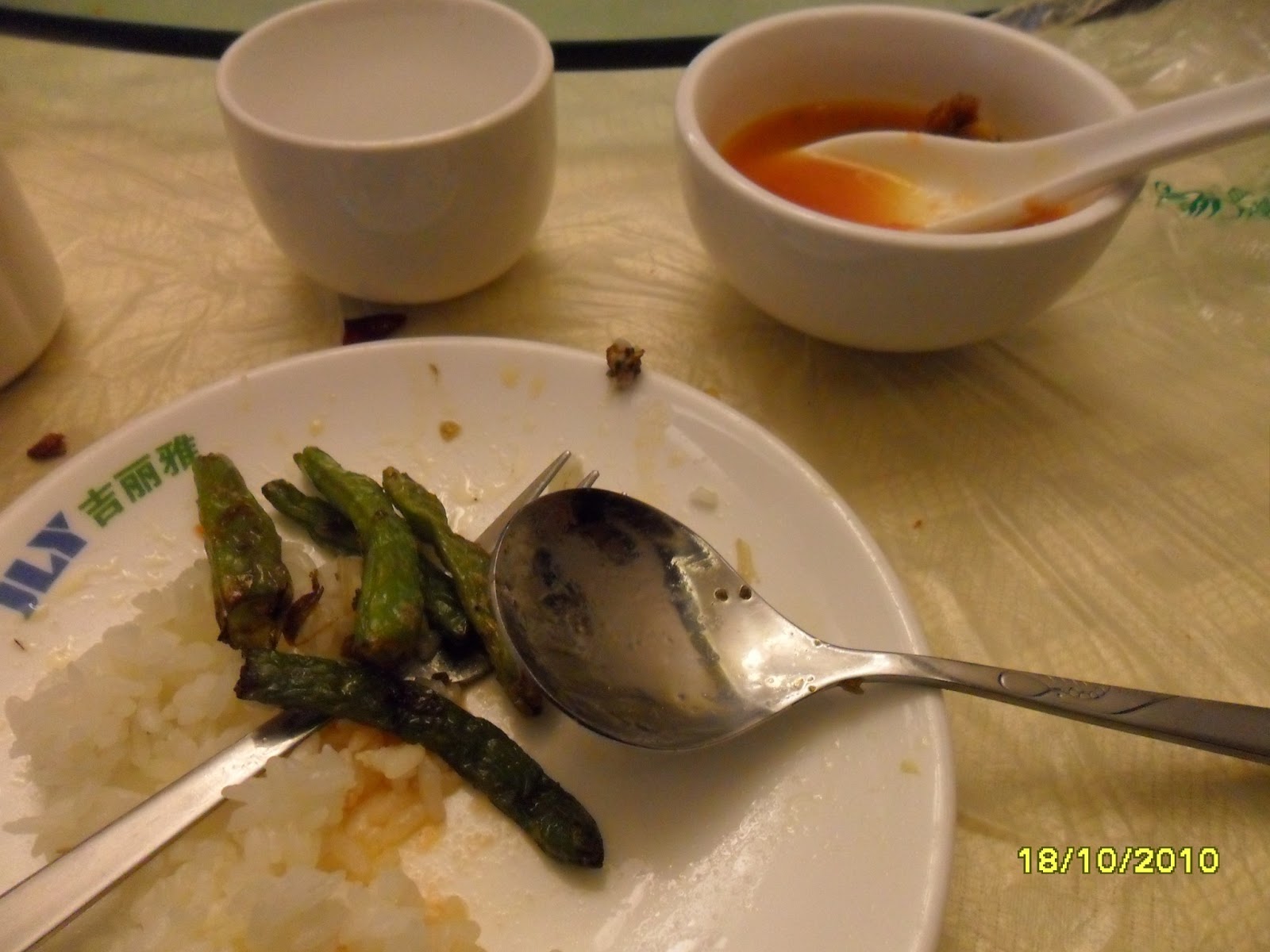
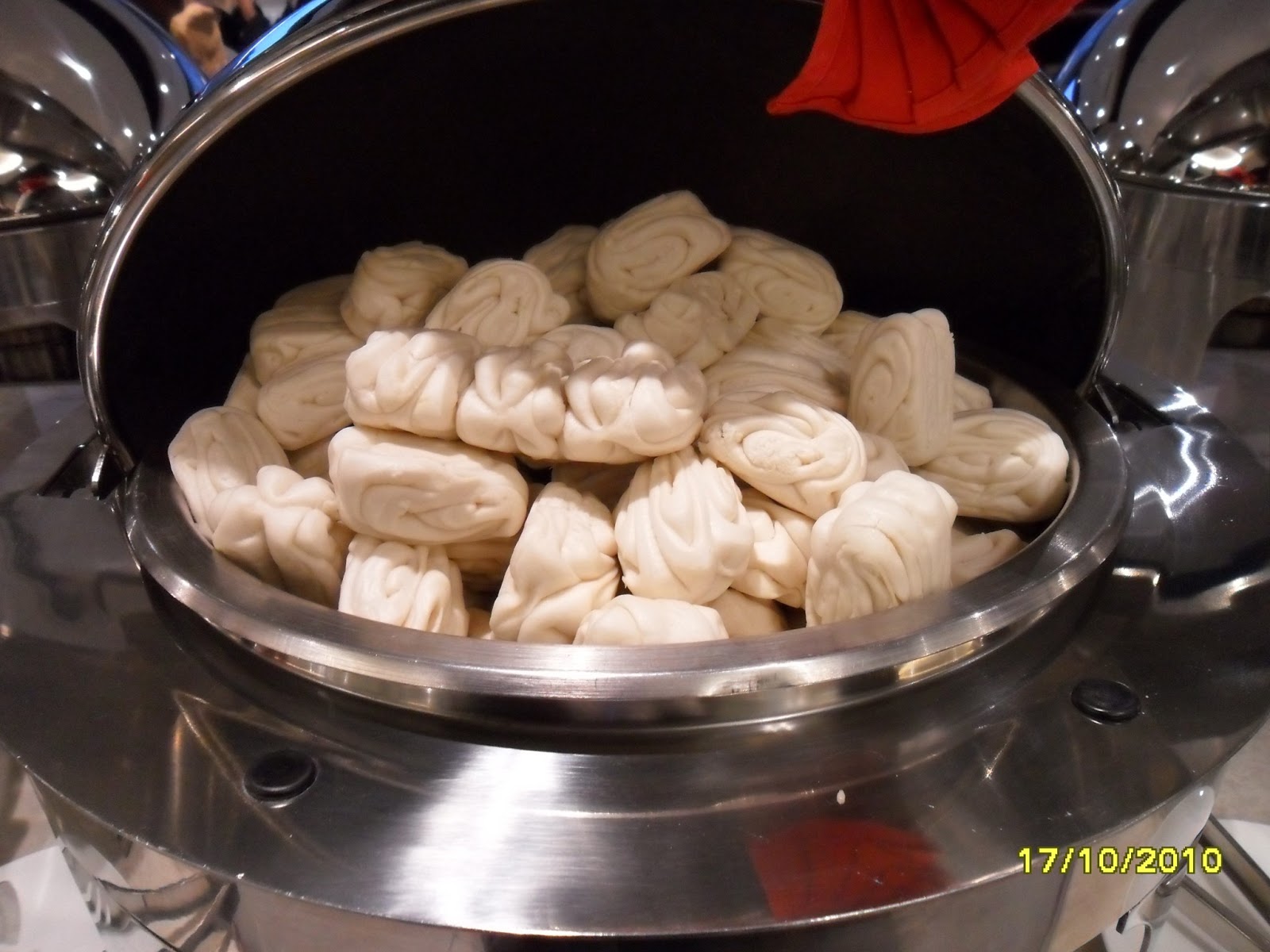
HALAL FOOD IN CHINA (Tinjauan semasa di Beijing, China) Islam was introduced into China officially in 651 in the Tang Dynasty. Arabic traders married Chinese wives and a new ethnic group of Muslim Hui People was formed since then. General speaking, descendants of the intermarriage between Arabic and Chinese and Chinese who had been converted into Islam were the first group of Hui People (also called Huihui in ancient China). When the Muslim Hui ethnic group was formed, Chinese Halal food history started. In Western China’s Xinjiang Uyghur Autonomous Region, Halal food maintains primarily Middle East flavour while in East China, Halal food is mostly Chinese flavour. It was recorded that Chinese Halal food appeared as early as in the Tang Dynasty (618-907). Chinese Halal food became influential during the Yuan Dynasty (1279-1368) due to the fact that many Muslim soldiers were stationed in various parts of China. Some of the Halal snacks were even served in the Imperial cou...
Popular posts from this blog
Malay Cuisine Nasi Melayu Malay cuisine is the cuisine of Malay people of Malaysia , Indonesia , Singapore , Brunei , Mindanao and Southern Thailand . Different Malay regions are all known for their unique or signature dishes - Terengganu and Kelantan for their Nasi dagang , Nasi kerabu and Keropok lekor , Negeri Sembilan for its lemak-based dishes, Pahang for its gulai tempoyak , Kedah for its northern-style Asam laksa , Malacca for its spicy Asam Pedas , Riau for their ikan patin ( Pangasius fish) dishes; Gulai ikan patin and Asam Pedas ikan patin, Melayu Deli of Medan North Sumatra for their Nasi goreng teri Medan (Medan anchovy fried rice) and Gulai Ketam (gulai crab) and Brunei for its unique Ambuyat dish. The main characteristic in traditional Malay cuisine is undoubtedly the generous use of spices . The coconut milk is also important in giving the Malay dishes their rich, creamy character. The other foundation is belacan (shrimp paste), whi...
Nasi Goreng Nasi Goreng Nasi goreng, literally meaning " fried rice " in Indonesian , can refer simply to fried pre-cooked rice, a meal including stir fried rice in small amount of cooking oil or margarine , typically spiced with kecap manis (sweet soy sauce), shallot , garlic , tamarind and chilli and accompanied with other ingredients, particularly egg , chicken and prawns . There is also another kind of nasi goreng which is made with ikan asin (salted dried fish) which is also popular across Indonesia. Nasi goreng has been called the national dish of Indonesia , though there are many other contenders . There are many Indonesian cuisines but few national dishes. Indonesia's national dish knows no social barriers. It can be enjoyed in its simplest manifestation from a tin plate at a roadside warung , travelling night hawker's cart; eaten on porcelain in restaurants, or constructed at the buffet tables of Jakarta dinner parties. In 2011 an online ...
Comments
Post a Comment